I’ve long been an activity tracker kind of guy. I strapped them all onto my fleshy wrist: the Fitbits, the Nikes, the Polars. I’ve watched circles fill up on my Apple Watch and I’ve watched ghost competitors race me on early GPS watches. But for the past few months I abandoned any wrist-based tracker because the battery in the one I was using kept dying. And so I went pedometer-less for a long while.
Now, thankfully, I can walk again thanks to the vivofit 3. Garmin’s super-simple band has a 1-year battery life, is eminently usable and is as unobtrusive as any other fitness tracker — without the requirement to carry a charger around on long trips. In short, it’s fitness tracking epitomized.
The device is exactly what you’d expect from a fitness tracker. It has a single button that scrolls between time, date, steps taken, your daily goal, calorie burn, distance moved and “active time.” It also senses when you’re asleep, automatically, and charts your deep sleep with acceptable accuracy. It connects to Garmin’s own Connect app to show you your stats and you can sync with a heart-rate monitor and phone wirelessly. Finally, you can hold down the button to time activities as needed.
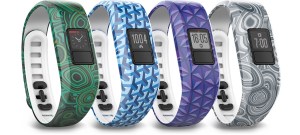
The device tracks your motion and reminds you to stand up every hour or so. You can see all of your activity on the Garmin Connect app, which also connects to other Garmin devices, like bike computers and higher-end sports watches. You can swap out the bands for fancy designer models, but I liked the black band just fine.


What this means is that this little $99 band does everything you need it to do for the average life of futzing around at work and home. This is definitely not for the triathlon-runner or the endurance athlete — the lack of a built-in heart-rate sensor means you won’t be truly satisfied — but as a daily driver, a sort of fun thing to track your steps and tell you that you’re too slovenly, then this is just right.

It’s obvious that Garmin is going straight for the Fitbit jugular. Late for the activity tracker party, the company originally tried to sell all sorts of high-end sports devices to compete with Android and Apple when the only folks it needed to compete with are the ones selling sub-$100 activity trackers. It’s not clear how many of the vivofits Garmin has sold, but given that this is the third iteration on the theme — the first two devices sporting a simpler LCD screen and fewer features — they clearly think this product has legs. And it does.
Again, this is not Garmin’s “premium” product. It is a great entry-level fitness tracker with enough features to keep you happy until you run a 10K and need something a little more in-depth. When that becomes the case, a heart-rate measuring device like the Forerunner or the vivoactive HR will do quite nicely. The vivofit 3, then, is Garmin’s gateway drug.

There are a few concerns I had with this product. First, there is no backlight, so you can’t consult it in the dark. Second, the clasp and rubber are precariously connected. I’ve seen the device fall off a few times during normal use, even when the buckle is properly locked. It’s not a terrible flaw, but it could be slightly disconcerting if you’re running around and suddenly find your band gone. Neither of these are showstoppers yet.
GET IT HERE

The vivofit 3 works well. It measures your walks and runs and it can measure your sleep. It reminds you to move and it rewards you when you do. In a society predicated toward sloth and sitting, it’s a boon friend and wrist companion, and at $99 it’s a great way to suggest someone should get out more without untoward chiding. Heck, buy it for yourself and let it help you get off the couch. It’s a win for all, especially fleshy meat bags like myself.

